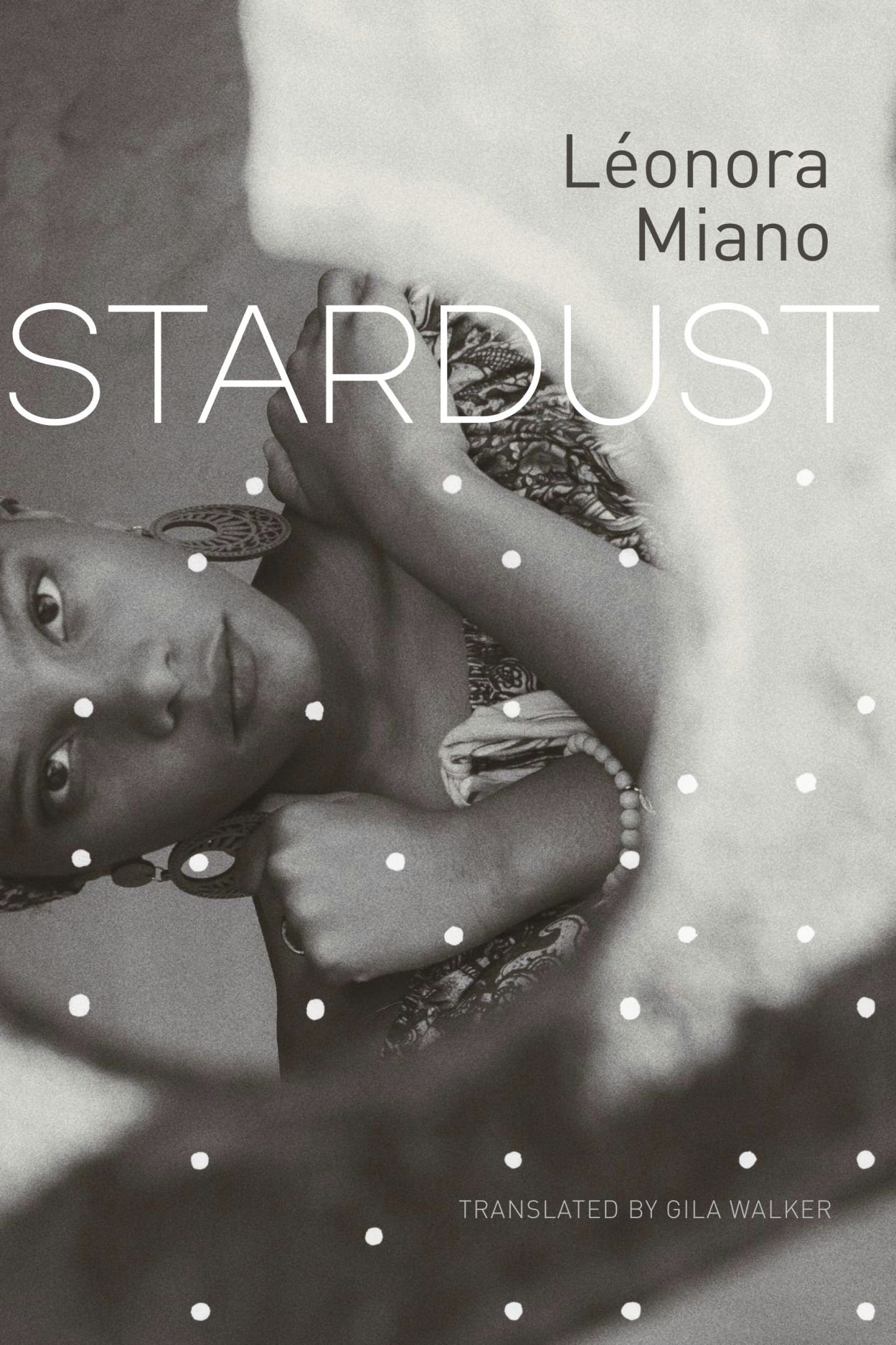
Distributed for Seagull Books
Stardust
An unflinching look at the realities of racism, poverty, and exclusion in contemporary France—told through the eyes of a young Cameroonian mother navigating life on society’s edge.
At just twenty-three, Louise finds herself stranded in a Paris shelter with her baby, Bliss, in her arms while battling homelessness, racism, and the struggles that come with being a female immigrant trying to keep her dignity alive. Yet amid the chaos, Louise encounters a fragile network of mothers and survivors from the Maghreb and sub-Saharan Africa, each carrying their own story of violence, addiction, and resilience.
Based on a pivotal moment in author Léonora Miano’s own life, Stardust is a luminous story of the quiet power of choosing life. The novel was first composed over twenty years ago and remained unpublished for years. Now, Miano invites readers into her world, shedding light on the invisible corners of French society and offering a moving meditation on motherhood, dignity, and renewal.
At just twenty-three, Louise finds herself stranded in a Paris shelter with her baby, Bliss, in her arms while battling homelessness, racism, and the struggles that come with being a female immigrant trying to keep her dignity alive. Yet amid the chaos, Louise encounters a fragile network of mothers and survivors from the Maghreb and sub-Saharan Africa, each carrying their own story of violence, addiction, and resilience.
Based on a pivotal moment in author Léonora Miano’s own life, Stardust is a luminous story of the quiet power of choosing life. The novel was first composed over twenty years ago and remained unpublished for years. Now, Miano invites readers into her world, shedding light on the invisible corners of French society and offering a moving meditation on motherhood, dignity, and renewal.